Cereals and oats
3 cereals and oats lines published for export from Dubai in full-container loads, across 2 brands, under 2 HS headings 1104.12, 1904.10. Pack configuration and customs classification are on every product page.
One full container per order. A single product need not fill it. Where it will not, we consolidate compatible products to make up the volume.
Products in this category
What this category covers
In customs terms this category resolves to 2 headings: 1104.12 — prepared foods obtained by the swelling or roasting of cereals or cereal products; 1904.10 — rolled or flaked grains of oats. The heading, not the category name, decides the duty you pay at destination, so two lines sitting next to each other on this page can clear at different rates. Each heading has its own page with the classification reasoning on it.
How these goods ship
At an average of 12 kg to the carton these are dense goods: a 20' GP reaches its 26-tonne payload with volume to spare, so the container weighs out and a 40' high cube buys nothing on this cargo alone. They are the lines to combine with light ones to make a full load work.
These figures are the average of the 2 published primary packs in this category and are a guide to which limit binds, not a quotation. Carton dimensions and gross weight are confirmed per shipment, and the container fill calculator works the arithmetic for your own cartons.
Handling and storage
Storage and transport is ambient, not exceeding 25 °C, dry. No temperature-controlled equipment is required, which keeps these among the cheaper categories to move.
Brands in this category
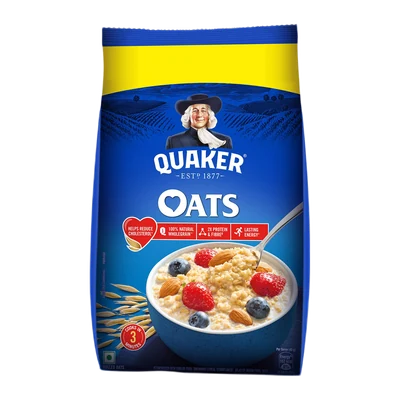
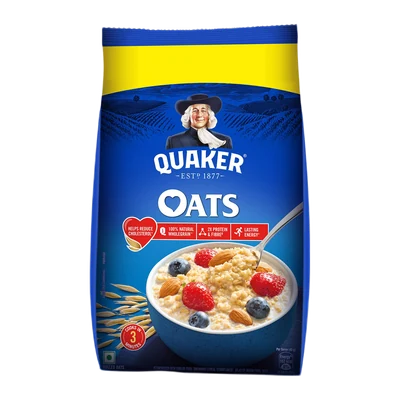
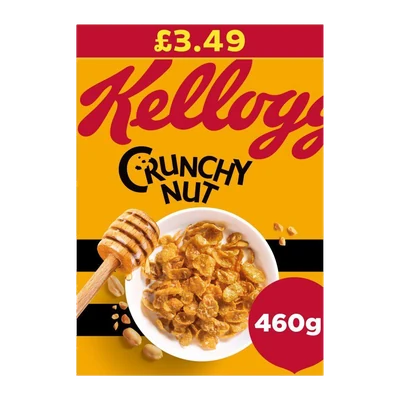
Kellogg's, Quaker. We are not the brand owner for any of these and we do not manufacture. Goods are sourced as genuine branded stock for export; pack artwork and language vary by the origin a lot is drawn from.
What we hold
Across these 3 lines: 2 distinct retail pack formats, label languages available in Arabic and English. The smallest consumer pack we carry here is a 460 g carton and the largest a 500 g tin or carton. Everything is quoted on one full container per order, mixed across products where a single line will not fill it.
Documents that travel with the goods
These are foodstuffs, so the pack that travels with them is the heavier one: a certificate of origin, a health or free-sale certificate from the competent authority, and — where the destination requires it — a halal certificate naming the producing plant rather than the trader. Several markets also want the certificate legalised at their consulate in the UAE before the goods sail, which is days rather than hours and is the item that most often delays a first shipment. The full list, and who issues each one, is on the documentation page. We name the document set for your destination before quoting, not after.
Combining this with other categories
An order is one full container, and 3 lines will not fill one on their own. These average 12 kg to the carton, so they reach the payload with volume left over. The load balances against lighter cargo: instant noodles and ramen at 0.54 kg, coffee at 2.22 kg, snacks and chips at 2.62 kg. Mixing across categories on one bill of lading is normal here and does not change the documentation. The container fill calculator takes your own carton figures and works out where the box stops.
Quote Cereals and oats
Tell us the lines, the quantities and the destination port.